When I spend time in our ministries, I often see moments that show what healthcare is really about.
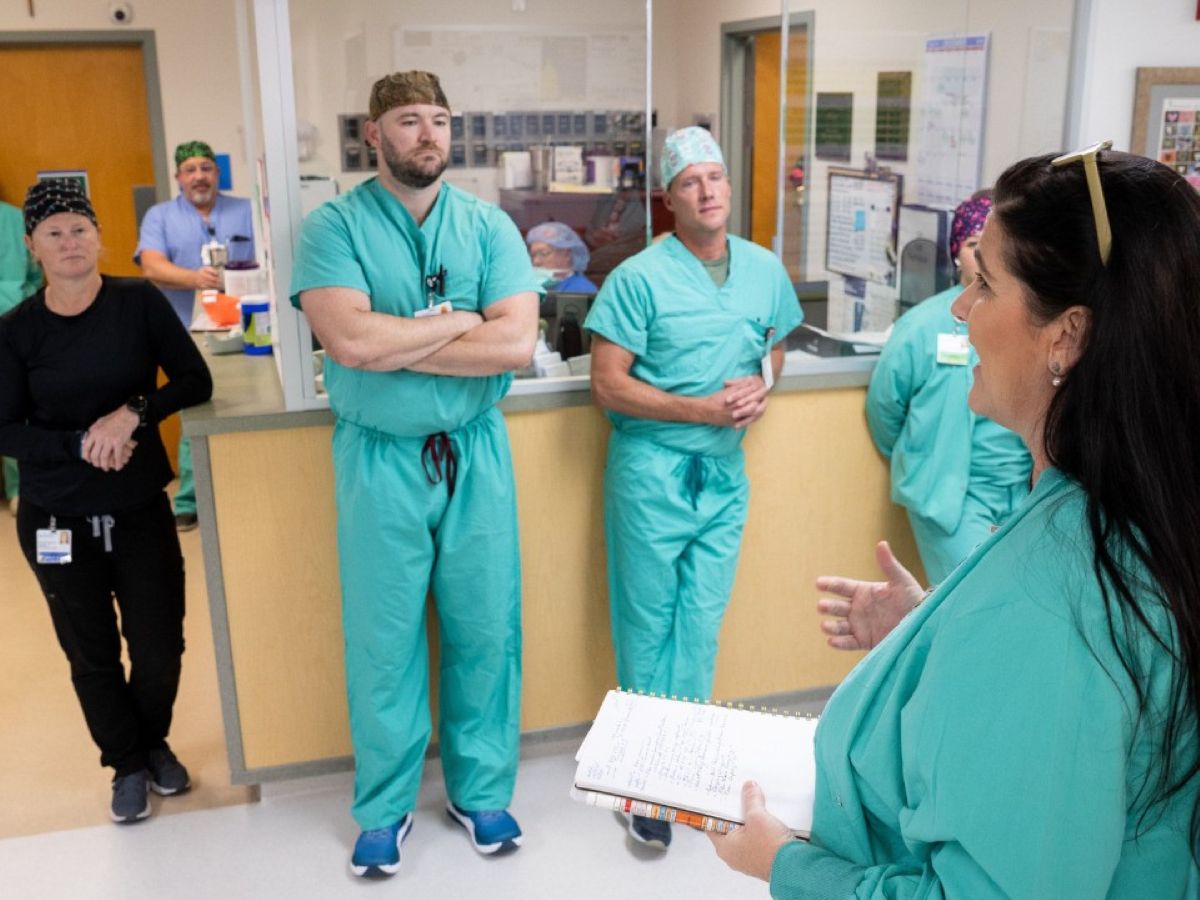
A physician taking the time to walk a patient through a new diagnosis. A nurse sitting with a family to answer questions. A care team working together to prepare someone to return home. This work is also supported by associates behind the scenes, helping caregivers spend more time with patients.
These moments rarely make headlines. But they are what healthcare means to the people we serve.
They are also a reminder of why this work matters. Healthcare is ultimately about people caring for people. At Ascension, our Mission calls us to serve those most in need. Caregivers and associates show that commitment in the care they provide.
Across the country, healthcare is changing quickly. Hospital acuity is rising. Patients are living longer and managing more advanced conditions. At the same time, more care is moving beyond the hospital into ambulatory and community settings. Expectations from patients and families continue to grow.
In the middle of all this change, one thing remains the same. Healthcare only works when caregivers can focus on patients.
If healthcare is going to be sustainable, the experience of caregivers must be designed as intentionally as the experience of patients. When caregivers are supported, they are able to be present where and when patients need them most.
Healthcare Is Built on Human Connection
Every day, patients and families choose Ascension because of the interactions they have with caregivers, physicians, nurses, associates, and volunteers. These moments of connection build trust, enhance wellness, and deliver healing. They are also how our Mission is lived out in communities across the country.
For healthcare leaders, the responsibility is clear. Our role is not simply to operate hospitals and facilities. It is to build systems that allow caregivers to spend more time delivering care.
Caregivers carry that work forward. Our job is to support them.
Designing Care Around Patients and Care Teams
Hospitals will always play an important role in healthcare, especially for patients who need high-acuity and advanced care. As care is delivered across more settings, coordination becomes more important.
Consider a patient managing a complex condition. They may need hospital care during an acute episode. Over time, they may also require imaging, specialist visits, medication management, and follow-up care closer to home.
For patients and families, the experience can become complicated.
Care teams make that experience work.
When physicians, nurses, advanced practice clinicians, pharmacists, and other caregivers are connected across settings, care becomes more coordinated. Information moves more easily. Decisions happen faster. Patients have someone guiding them through the system.
For people navigating care, the goal is simple. The right care, in the right setting, with the right support around it. This is what the common good looks like. We must build the right access points to support the communities we serve.
This work is especially important for people who face the greatest barriers to care. Each year, millions of Medicaid and uninsured patients receive care across our ministry, along with a growing number of seniors navigating Medicare coverage.
For many of these individuals, care teams are the people who help patients understand their options, connect to resources, and manage a complicated healthcare system.
Expanding access to care and supporting the people who deliver that care go hand in hand.
Supporting the People Who Deliver Care
As healthcare changes, supporting caregivers must remain a priority.
Safety is foundational. Workplace violence remains a concern across hospitals and outpatient settings. Protecting caregivers cannot be optional. It must be part of how healthcare operates.
Strong organizations are not defined by the absence of issues, but by how they respond to them. That means creating environments where caregivers feel safe speaking up and supported when challenges occur.
Our recent Clinician Experience Survey shows progress in reducing administrative and documentation burden. At the same time, clinicians say they need more time for direct patient care. That tells us parts of the system still need to work better.
When people talk about burnout, I often think about structure. Healthcare leaders have a responsibility to make the work easier for caregivers.
Using data from the survey, we have identified key priorities to improve physician well-being. We are continuing to invest in reducing administrative burden, streamlining workflows, and better supporting clinicians in their daily work.
When technology and workflows are done right, they reduce friction and give clinicians more time for what matters most.
Every minute we give back to a clinician is a minute that can be spent with a patient.
Investing in Leadership and Meaning
Operational improvements matter. But meaning and vocation matter just as much.
People come into healthcare to help others. When the work becomes harder than it needs to be, that sense of purpose can fade.
People want to find joy in their work and see a future. Clinicians want clear paths to grow and leaders who are present and accountable.
When leaders are equipped to support teams and remove barriers, engagement strengthens. Stability follows. Over time, that stability becomes a real advantage for patients and communities.
When caregivers feel supported, patient experience improves. Retention improves. Outcomes improve.
The connection is clear.
The Future Will Be Defined by Care Teams
Healthcare will continue to evolve. Care will continue shifting beyond the hospital. Digital tools will expand. Expectations around access and affordability will grow.
The strength of our care teams will determine the strength of our healthcare system.
Workforce sustainability is now at the center of the national conversation. Questions about training capacity, team structure, and reimbursement are being debated across the country. Those discussions matter.
But healthcare systems cannot wait for policy alone to solve these challenges.
We have to lead.
That means protecting today’s caregivers and strengthening the pipeline for tomorrow.
Healthcare’s future will not be defined only by scale, technology, or facilities.
It will be defined by whether the people delivering care feel supported in doing the work they were called to do.
To the caregivers, clinicians, and associates across Ascension, thank you for the work you do every day to serve patients and families. We will continue building a system that supports you as you care for our communities and bring health, healing, and hope to all.